
A question I’m hearing more and more from leaders is:
What should I use AI for – and what should I not?
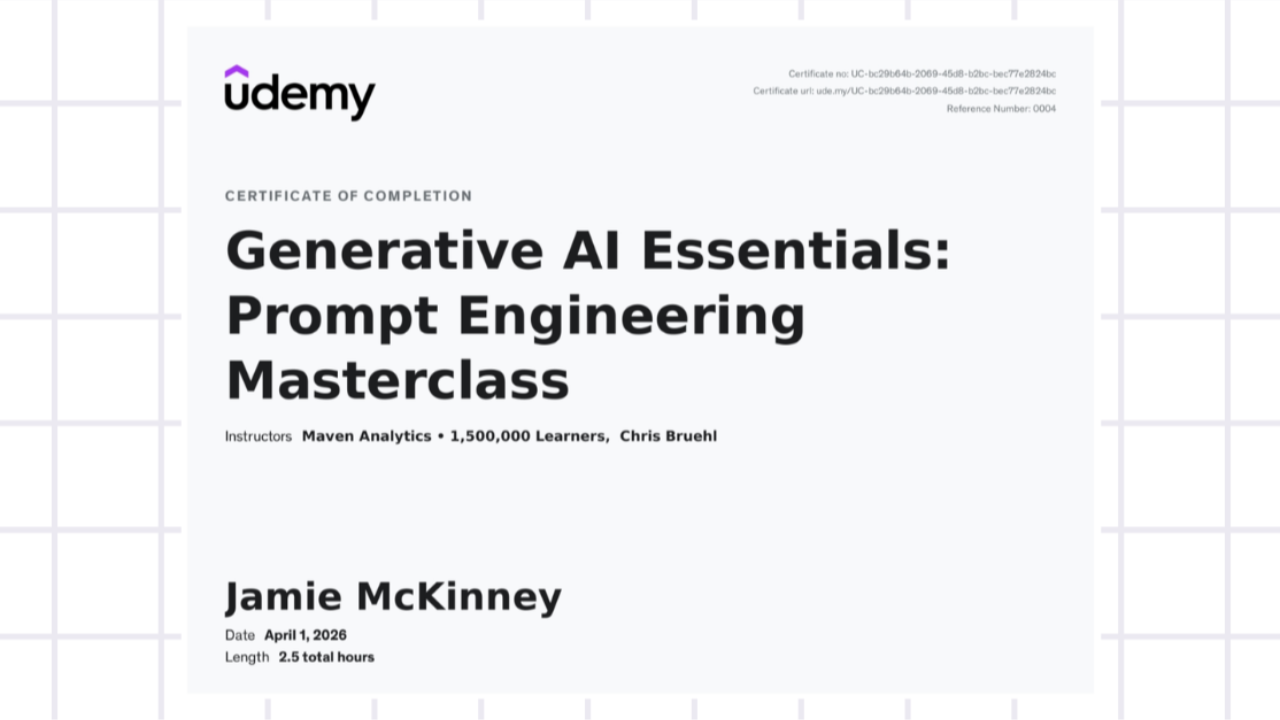
I recently earned my Prompt Engineering certificate, and it prompted me to reflect more deeply on where AI truly adds value… and where it can quietly backfire – especially when it comes to confidence and leadership development.
AI is powerful.
But used incorrectly, it can weaken original thought and create dependence.
So let’s get clear on both sides.
Top 3 Ways Leaders Should Be Using AI
- Clarifying thinking
AI can help you organize ideas, pressure-test assumptions, or generate talking points before a meeting. Think of it as a thinking partner – not a decision-maker. - Polishing communication
It’s excellent for refining emails, summaries, or drafts – helping you sound clearer and more concise without changing your intent or voice. - Preparing, not performing
Use AI to rehearse scenarios, explore “what if” questions, or anticipate objections – so you show up grounded and prepared.
Top 3 Ways Leaders Shouldn’t Be Using AI
- Replacing judgment
AI can inform decisions, but it can’t weigh values, context, or long-term consequences the way leaders must. - Outsourcing confidence
It won’t build courage, presence, or self-trust before a high-stakes moment. Overreliance can actually erode those muscles. - Avoiding ownership
Feedback, difficult conversations, and leadership voice require human accountability. AI can’t stand behind your words – you do.
Bottom line
AI can support leadership, but it cannot substitute for it.
The best leaders use it to think better – not to think less.
I’m curious:
Where has AI helped you lately – and where do you think it’s risky?
Don't miss a beat!
New tips, tools, and motivation delivered to your inbox weekly.
Your information is private. We never sell or share it, for any reason.